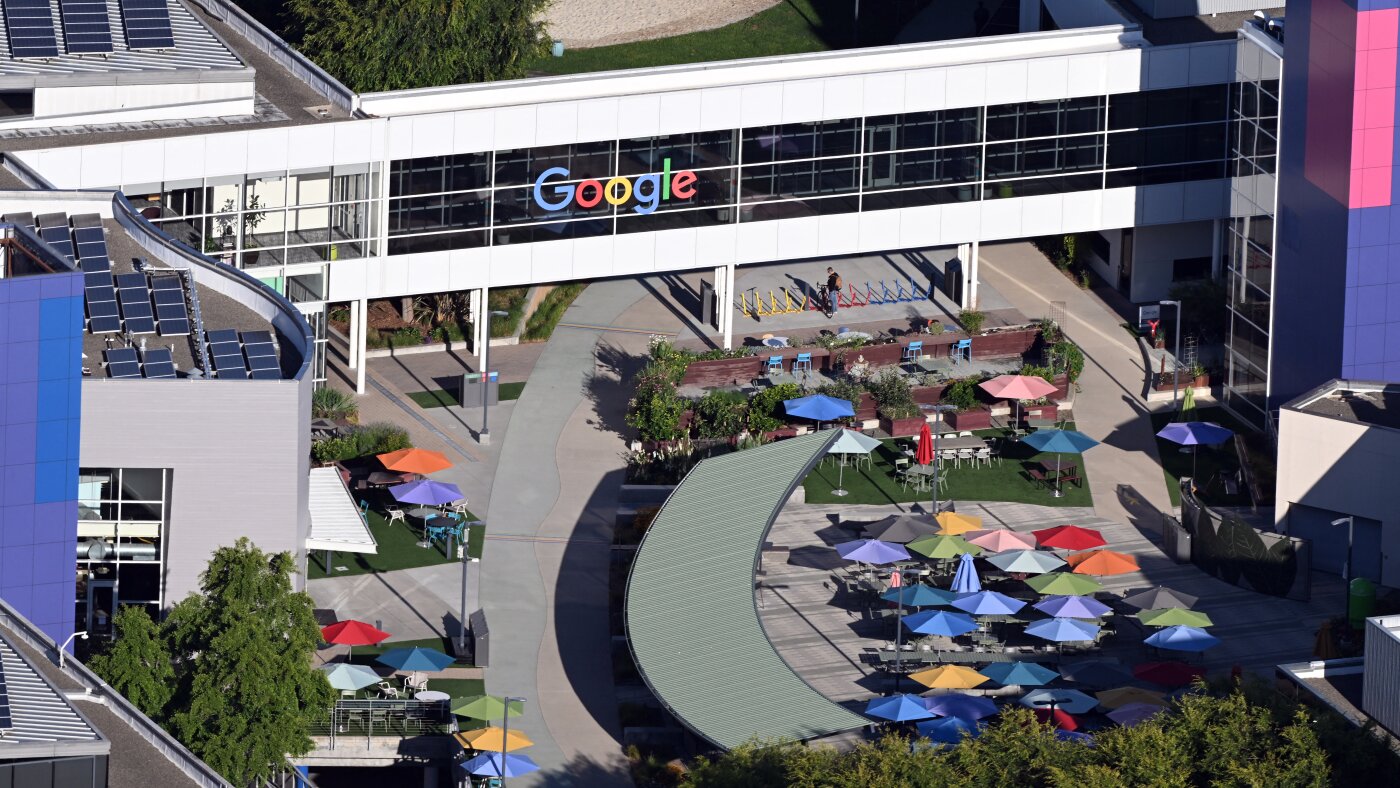
Prediction Market Insider Trading - bond market trends, yield curve, and interest rate outlook. The U.S. Department of Justice has filed criminal charges against a Google employee allegedly using insider information to profit approximately $1.2 million through trades on the prediction market platform Polymarket. This marks the second known case of federal insider trading charges involving a prediction market site.
Live News
Prediction Market Insider Trading - bond market trends, yield curve, and interest rate outlook. Cross-market correlations often reveal early warning signals. Professionals observe relationships between equities, derivatives, and commodities to anticipate potential shocks and make informed preemptive adjustments. According to an NPR report, the Department of Justice (DOJ) has charged a Google staffer with insider trading related to trades on Polymarket, a decentralized prediction market platform. The employee is accused of using non-public information to make bets that yielded about $1.2 million in profit. Federal prosecutors allege the individual obtained material, confidential details about a pending corporate event or regulatory decision—though the specific underlying event has not been disclosed in the charges. The case represents only the second instance in which the U.S. government has brought criminal insider trading charges tied to a prediction market. The first, according to public records, involved a former Commodity Futures Trading Commission (CFTC) staffer in 2023. In that matter, the defendant allegedly traded on confidential information about CFTC rulemaking that affected the value of certain prediction contracts. Polymarket operates as a blockchain-based platform where users buy and sell shares in the outcome of future events—such as election results, product launches, or regulatory approvals. The DOJ’s action signals that traditional insider trading laws may apply to trading on such platforms, even though they fall outside conventional securities exchanges. The charges were filed in a U.S. federal court. The defendant has not yet entered a plea. Google has not publicly commented on the case, and the company’s internal policies prohibit employees from using confidential information for personal gain.
DOJ Charges Google Employee for Insider Trading on Polymarket, Allegedly Gaining $1.2 Million Market participants often combine qualitative and quantitative inputs. This hybrid approach enhances decision confidence.Some investors focus on momentum-based strategies. Real-time updates allow them to detect accelerating trends before others.DOJ Charges Google Employee for Insider Trading on Polymarket, Allegedly Gaining $1.2 Million The integration of AI-driven insights has started to complement human decision-making. While automated models can process large volumes of data, traders still rely on judgment to evaluate context and nuance.Alerts help investors monitor critical levels without constant screen time. They provide convenience while maintaining responsiveness.
Key Highlights
Prediction Market Insider Trading - bond market trends, yield curve, and interest rate outlook. A systematic approach to portfolio allocation helps balance risk and reward. Investors who diversify across sectors, asset classes, and geographies often reduce the impact of market shocks and improve the consistency of returns over time. Key takeaways from this development include escalating legal scrutiny of prediction markets and the broader application of insider trading statutes. The DOJ’s decision to charge a big-tech employee underlines that law enforcement views prediction market trades as subject to the same prohibitions against trading on material, non-public information that apply to stocks and commodities. This case could influence how prediction platforms implement compliance and surveillance mechanisms. Polymarket and similar sites may face pressure to adopt more rigorous know-your-customer (KYC) and trade monitoring procedures to detect potential insider trading. It also raises questions about the legal definition of “insider information” in the context of event-based contracts—especially when the underlying event involves a private company’s plans or a government decision. For the tech industry, the charges serve as a reminder that employees at major firms like Google must be cautious about any trading activity that could be linked to confidential information, regardless of the trading venue. The alleged profit of $1.2 million suggests a relatively large, concentrated bet, which may have triggered attention from internal compliance teams or exchange surveillance.
DOJ Charges Google Employee for Insider Trading on Polymarket, Allegedly Gaining $1.2 Million Real-time alerts can help traders respond quickly to market events. This reduces the need for constant manual monitoring.Cross-asset correlation analysis often reveals hidden dependencies between markets. For example, fluctuations in oil prices can have a direct impact on energy equities, while currency shifts influence multinational corporate earnings. Professionals leverage these relationships to enhance portfolio resilience and exploit arbitrage opportunities.DOJ Charges Google Employee for Insider Trading on Polymarket, Allegedly Gaining $1.2 Million The interplay between macroeconomic factors and market trends is a critical consideration. Changes in interest rates, inflation expectations, and fiscal policy can influence investor sentiment and create ripple effects across sectors. Staying informed about broader economic conditions supports more strategic planning.Analytical tools are only effective when paired with understanding. Knowledge of market mechanics ensures better interpretation of data.
Expert Insights
Prediction Market Insider Trading - bond market trends, yield curve, and interest rate outlook. Risk-adjusted performance metrics, such as Sharpe and Sortino ratios, are critical for evaluating strategy effectiveness. Professionals prioritize not just absolute returns, but consistency and downside protection in assessing portfolio performance. From an investment perspective, the DOJ’s actions may increase uncertainty around prediction market regulation, potentially affecting the valuation and operational freedom of platforms like Polymarket. However, it is too early to assess the long-term legal or market impact, as this is only the second case of its kind. Future enforcement decisions will likely depend on the outcome of this prosecution and any subsequent judicial interpretation of insider trading law as applied to event contracts. For investors considering participation in prediction markets, this development highlights the importance of understanding the legal risks. While prediction markets offer a novel way to hedge or speculate on future events, the regulatory landscape remains fragmented and evolving. Market participants should consult legal counsel before engaging in trades that involve non-public information. The case also underscores a broader trend: regulatory bodies are increasingly scrutinizing digital asset and prediction market platforms. This could lead to clearer rules, but also to heightened compliance costs. Investors should monitor further DOJ announcements and any legislative efforts to clarify the status of prediction contracts under U.S. securities and commodities laws. Disclaimer: This analysis is for informational purposes only and does not constitute investment advice.
DOJ Charges Google Employee for Insider Trading on Polymarket, Allegedly Gaining $1.2 Million Investors often experiment with different analytical methods before finding the approach that suits them best. What works for one trader may not work for another, highlighting the importance of personalization in strategy design.Cross-market observations reveal hidden opportunities and correlations. Awareness of global trends enhances portfolio resilience.DOJ Charges Google Employee for Insider Trading on Polymarket, Allegedly Gaining $1.2 Million Real-time data can highlight sudden shifts in market sentiment. Identifying these changes early can be beneficial for short-term strategies.Real-time monitoring of multiple asset classes allows for proactive adjustments. Experts track equities, bonds, commodities, and currencies in parallel, ensuring that portfolio exposure aligns with evolving market conditions.